Framing Emotions: The Invisible Language of Cinematography
- Vikas Joshi
- Apr 10, 2025
- 2 min read

In today’s evolving cinematic landscape, cinematography has become more than just a visual art it’s a storytelling language that bridges emotion, atmosphere, and world-building. From Hollywood’s expansive sci-fi epics to India’s mythological dramas, the camera’s eye is shaping how audiences connect with a film’s world. Two prime examples that reflect this trend are Dune and Kesariveer: Legends of Somnath, both of which showcase innovative visual craftsmanship.
Learning from the West: Dune and Oppenheimer
Greig Fraser’s work in Dune stands out for its bold use of natural lighting and sweeping wide-angle compositions. The barren, yet majestic landscape of Arrakis is captured with a muted color palette, blending harsh sunlight with subtle flares. The visuals make this futuristic world feel both otherworldly and deeply human. Fraser’s reliance on sunlight as the main light source lends the film a grounded authenticity that balances its grand scale.
Christopher Nolan’s Oppenheimer, shot by Hoyte van Hoytema, took a different but equally powerful approach. Using IMAX film cameras and a unique mix of color and black-and-white formats, the visuals are immersive and intimate. Even the infamous nuclear explosion was captured using practical effects instead of CGI, making the impact feel all the more visceral. These films are not just visually striking—they demonstrate how format, lighting, and camera movement create emotional texture and thematic resonance.
A Cinematic Language for Kesariveer
For Kesariveer: Legends of Somnath, the visual aim was to craft a cinematic world that honored Indian tradition while embracing contemporary filmmaking tools. Rooted in mythology and history, the film required a timeless and epic aesthetic that could carry the weight of its storytelling.
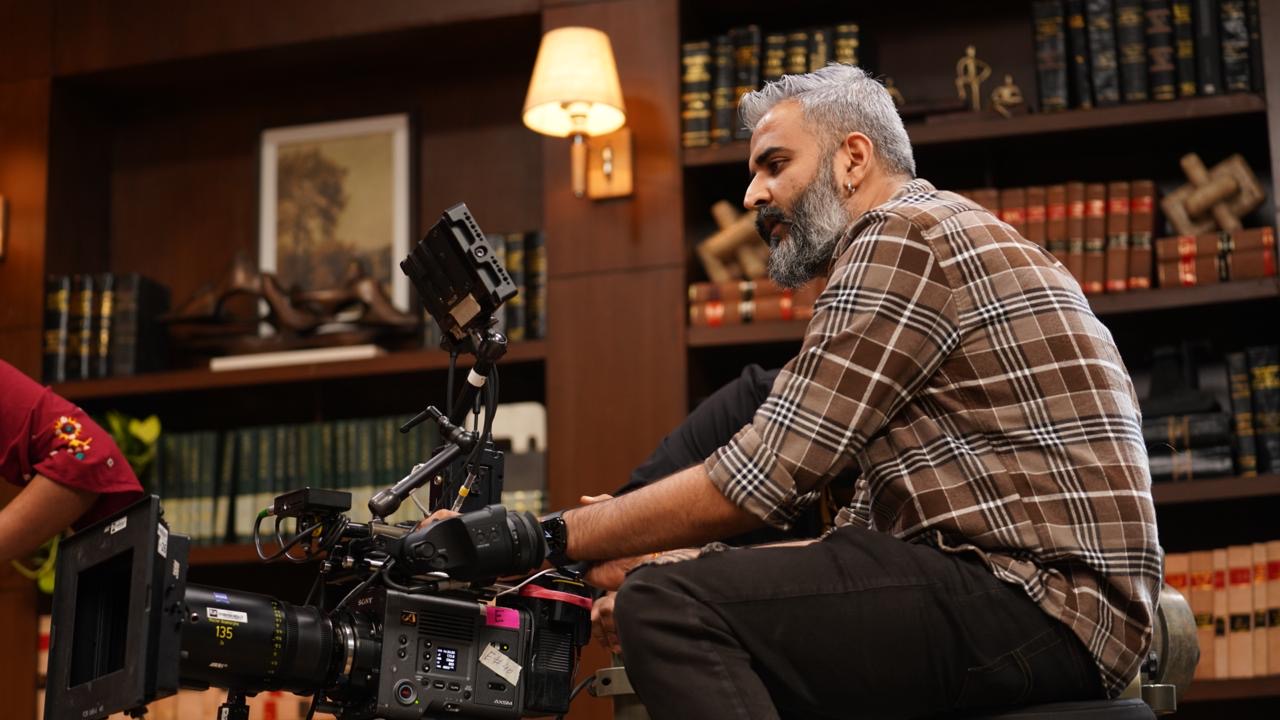
The team used the ARRI Alexa Super35 camera combined with ARRI Master Anamorphic lenses—offering a true 2x de-squeeze anamorphic image. This lens choice resulted in soft
fall-offs, organic flares, and a distinctly cinematic look. The expanded frame allowed for powerful compositions during war sequences and large-scale environments, immersing the audience in the film’s world of valor and sacrifice.
Fire and Sunlight: Lighting the World of Kesariveer

Lighting played a crucial role in shaping the emotional tone of Kesariveer. For battle scenes and expansive daytime shots, the crew embraced natural sunlight often filming during golden hour to capture dramatic contrasts and authentic textures. The heat and grit of the landscape came alive through the interplay of light on skin, armor, and stone.
By contrast, night scenes leaned on fire as the primary light source torches, oil lamps, and bonfires. This choice added warmth, intimacy, and authenticity. The flickering firelight created shadows with depth and symbolism, connecting the audience to the ancient, almost sacred atmosphere of the narrative.


Comments